
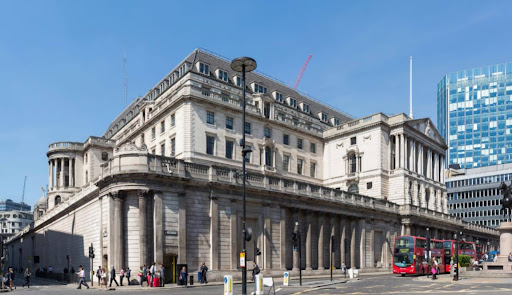
By holding interest rates at 3.75% on Thursday and warning of potential hikes ahead, the Bank of England has placed a spotlight on the very real and growing economic cost of the Middle East war for ordinary UK households and the broader economy. The monetary policy committee’s unanimous decision to hold reflected the changed inflation environment created by the US-Israel conflict against Iran, which has pushed global energy prices sharply higher. Officials warned that inflation could exceed 3% and that borrowing costs might need to rise in the months ahead.
The energy market consequences of the Iran conflict have been swift and significant. Oil and gas prices have risen substantially since the war began, threatening to derail the UK’s steady progress toward its 2% inflation target. The Bank now forecasts inflation rising to approximately 3.5% in March and remaining above target throughout 2026 — a stark reversal from pre-war expectations.
Governor Andrew Bailey outlined the Bank’s approach clearly: hold and assess, while remaining prepared to act if the inflation picture worsens. He pointed to rising petrol prices as the most immediate economic consequence visible to UK consumers and warned that household energy bills could follow if supply chain disruption persists. His tone was measured but the underlying message was one of vigilance.
The financial markets’ reaction underlined the hawkish shift in policy expectations. UK gilt yields rose, the FTSE 100 fell, and the pound gained against the dollar as traders priced in rate hikes before year end. Analysts noted that five-year fixed mortgage rates had already moved to their highest levels since early 2025, adding to household financial pressures.
For millions of UK households, the announcement carried a sobering implication: the cost-of-living crisis may not be over yet. Rising mortgage costs, higher petrol prices, and potentially steeper energy bills represent a compounding set of financial pressures. The government faces mounting pressure to intervene with targeted support before the situation worsens.