
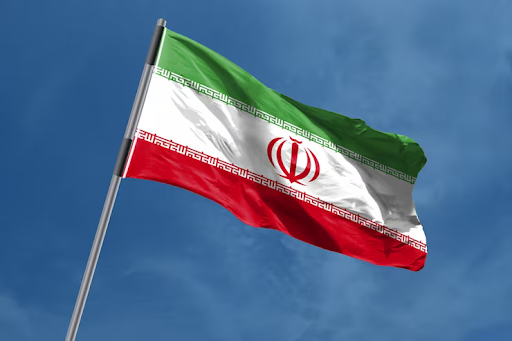
A fierce battle over the narrative of the Iran-US peace process was playing out in public on Wednesday, with Trump and his administration insisting a deal was close while Iranian officials painted a picture of intractable disagreement. The contest mattered not just for domestic consumption but because the narrative itself shaped the diplomatic reality — creating or destroying the conditions under which genuine engagement might occur.
Trump told supporters at a Washington fundraiser that Iran wanted a deal “so badly” but was too afraid to admit it publicly. His envoys — Jared Kushner, Steve Witkoff, Marco Rubio, and JD Vance — were said to be engaged with Iranian counterparts, though Tehran’s foreign ministry and military officials denied this flatly. The White House press secretary described discussions as “productive” and expressed confidence in the administration’s timeline for ending the conflict.
Iranian officials offered a starkly different account. The foreign minister confirmed receiving the proposals but stated clearly that Iran had no intention of negotiating for now. State media quoted an anonymous official saying Iran would end the war on its own terms. A senior Iranian source described the US proposal as “extremely maximalist and unreasonable.” Iran’s parliament speaker, military officials, and foreign ministry spokesperson all projected defiance rather than engagement.
Between these two poles of narrative, intermediaries from Pakistan, Egypt, China, and Turkey were trying to build a middle path. They reported cautious optimism that direct talks could begin soon, framing the exchange of proposals as evidence of underlying willingness to engage. China’s foreign minister pointed to signals from both parties as offering “a glimmer of hope.” Pakistan expressed hope that face-to-face meetings could begin within days.
The truth of where negotiations actually stood was probably somewhere between the American optimism and the Iranian defiance, obscured by the political necessity of both sides to manage their domestic audiences. What seemed clear was that enough communication was occurring through intermediaries to keep diplomatic options alive, even if formal negotiations had not yet begun. The narrative battle would continue until one side moved significantly toward the other’s position, or until the military and economic pressures on both parties became too great to sustain the current deadlock.