
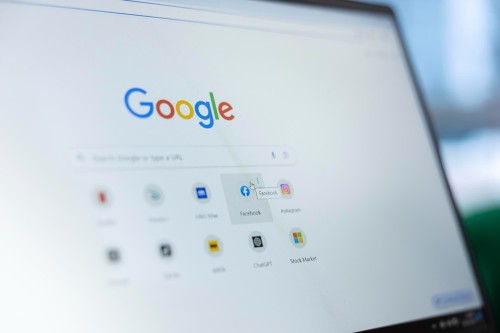
Google is set to revolutionize its search engine by integrating advanced artificial intelligence, as announced at its annual Google I/O conference. This move will enable users to input longer, more conversational queries into the search bar, with results that encourage interaction with Google’s chatbot. Driven by the newly unveiled AI model, Gemini 3.5, these updates aim to enhance the user experience by making search results more visually engaging and interactive, offering functionalities such as creating calendar invites or spreadsheets directly from search results. These significant updates are rolling out globally to both desktop and mobile versions, marking the largest overhaul in Google’s nearly 30-year history.
Elizabeth Reid, who leads the Google Search product, highlighted the growing popularity of AI-enhanced searches, noting that search queries reached an all-time high last month. The company’s “AI Mode,” introduced a year ago, has seen user interaction double every quarter. This mode allows users to engage in a dialogue with a Gemini-powered bot instead of merely scrolling through a list of links. By adding photos, videos, or documents to the Chrome browser’s search bar, users can automatically activate this AI-driven experience.
Google’s aim with the Gemini model, as explained by Josh Woodward, the head of the AI’s development, is to create a “universal assistant” that is personal and proactive. Currently, 900 million people use the Gemini app monthly, which is less frequent than ChatGPT’s 900 million weekly users. The integration of AI agents into Google’s main search product is designed to extend this niche technology to a broader, consumer-focused audience. For those subscribed to the AI Pro and Ultra plans, Google offers the ability to create “information agents” that conduct detailed research and provide summaries or action plans. Additionally, the new “generative user interface” can create custom visuals and interactive elements, while the Gemini Spark feature accesses personal data from Google’s suite of products to assist with tasks like trip planning and shopping.
In a return to wearable technology, Google has partnered with Samsung, Warby Parker, and Gentle Monster to launch “intelligent eyewear” this fall. These new sunglasses and eyeglasses can respond to voice commands and capture photos or videos with built-in cameras. This move follows Google’s previous attempt with Google Glass in 2014, which faced criticism and was discontinued shortly after. However, with shifting market attitudes, companies like Meta have already found success in this area, partnering with EssilorLuxottica to release similar smart glasses since 2021. Google, undeterred by past challenges, is reportedly working on a new model of smart glasses, dubbed Project Aura, which will feature an in-lens display.