
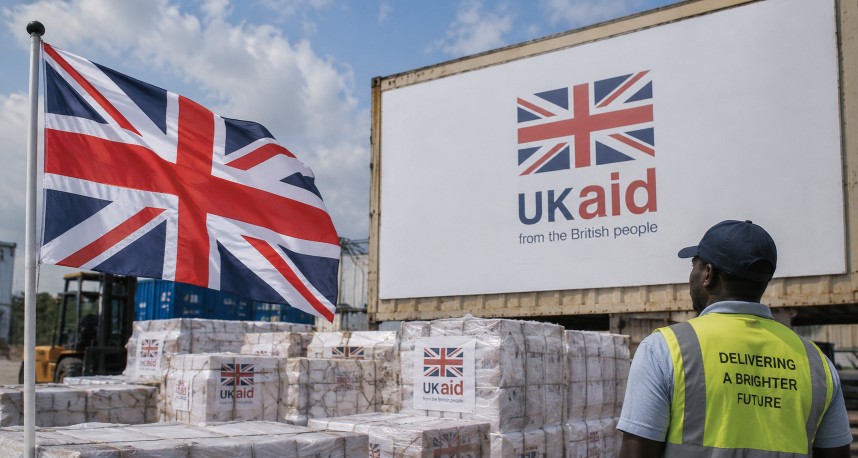
The United Kingdom is planning to make substantial cuts to its bilateral foreign aid to several African nations over the upcoming years, marking a significant shift in its approach to development funding. Official data indicates that aid to countries such as Mozambique and Malawi could decrease by up to 90% by the year 2029. Similarly, Rwanda and Sierra Leone are anticipated to face reductions of around 80%, while Somalia might see a near 50% decrease in aid.
This strategic move by the UK government aims to channel more resources through multilateral institutions like the World Bank. Officials argue that this will enhance the efficacy of development assistance while concurrently supporting an increase in defense spending. Consequently, the UK seeks to modernize its international partnerships to target resources more effectively and address global challenges.
However, the decision has drawn criticism from aid organizations. Critics warn that the cuts could jeopardize humanitarian initiatives, hinder poverty alleviation efforts, and reduce support for communities dealing with conflict, climate change, and health crises. These organizations contend that reducing direct aid may weaken long-established development collaborations in Africa.
Despite the backlash, government representatives assert that the UK is committed to addressing global issues through updated international collaborations. They emphasize that the revised aid strategy is designed to maximize impact by focusing resources where they are most needed. The changes in aid distribution come as the UK positions itself to assume a more prominent role in global economic cooperation, sparking renewed discussions about the future direction of its overseas development policy.