
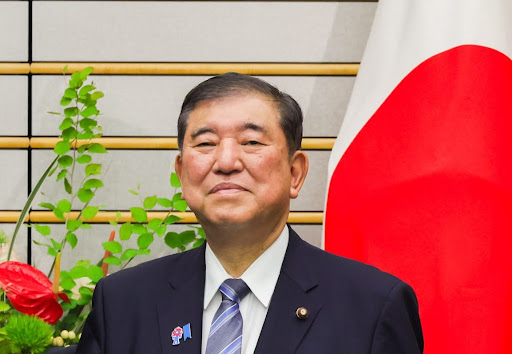
Shigeru Ishiba’s time as Japan’s Prime Minister is coming to an end after he formally announced his resignation under immense pressure from within his own Liberal Democratic Party (LDP). The move follows a period of intense speculation about his future amid disastrous electoral performance.
Opposition to the 68-year-old leader had grown to a fever pitch in recent weeks. Disaffected LDP lawmakers were poised to force a vote to bring forward the party’s presidential election, a clear challenge to his authority. Rather than face a humiliating ouster, Ishiba chose to step down on his own terms.
The catalyst for the internal rebellion was the loss of the coalition’s majorities in both parliamentary chambers. These defeats have left the government unable to pass laws without support from opposition parties, creating a state of legislative gridlock and constant political vulnerability.
Now, the LDP must find a new leader who can command respect and steer the country through its current challenges. The leadership contest will be closely watched, with analysts looking to see if the party pivots to a figure like the conservative Sanae Takaichi or a younger, more dynamic choice like Shinji Koizumi.