
NATO member states’ concerns about collective defense obligations during active conflict make immediate Ukrainian membership in the alliance practically impossible despite Kyiv’s desire for security guarantees. Article 5’s requirement that alliance members treat attacks on one as attacks on all would immediately commit NATO nations to direct military confrontation with Russia if Ukraine joined while combat operations continue. No member state has expressed willingness to accept such obligations, creating fundamental obstacles to the most credible long-term security guarantee available to Ukraine.
The collective defense dilemma reflects tension between NATO’s primary purpose—deterring aggression through credible commitments to defend members—and practical limitations on what member states will risk. Extending Article 5 protection to Ukraine during active warfare with nuclear-armed Russia represents escalation risks that no alliance member accepts, regardless of sympathy for Ukrainian position. The result leaves Ukraine seeking security guarantees that the most capable provider cannot offer due to concerns about triggering direct NATO-Russia military confrontation with catastrophic potential consequences.
Historical precedent exists for NATO delaying membership for countries facing territorial disputes or security threats, with the alliance traditionally requiring resolution of such issues before admission. The requirement reflects both practical concerns about collective defense obligations and strategic calculations about avoiding alliance commitments that might trigger unwanted conflicts. Ukraine’s situation represents extreme version of this traditional caution, with active large-scale warfare making membership discussions impossible until fighting ends.
Alternative security arrangements including bilateral defense commitments from individual nations or multilateral frameworks outside NATO have been discussed as potential substitutes for alliance membership. However, none provides equivalent credibility to Article 5’s collective defense obligations backed by NATO’s combined military capabilities. European security guarantees for Ukraine face particular credibility questions given the continent’s limited military capabilities without American participation and historical dependence on US security leadership.
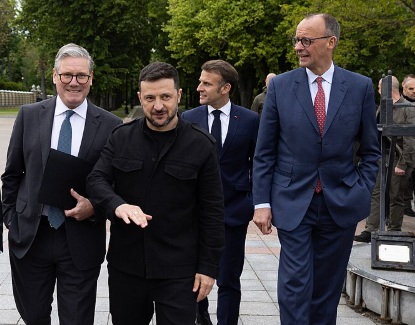
Thursday’s coalition video conference must address this fundamental security guarantee challenge as President Zelenskyy presents Ukraine’s revised peace framework. The Ukrainian president’s emphasis on preventing future Russian invasions requires credible deterrence mechanisms, yet the most powerful option remains unavailable due to collective defense obligation concerns. As Trump pushes peace terms potentially lacking adequate security protections and European partners attempt to develop alternative guarantees, the gap between Ukraine’s security requirements and realistic possibilities for meaningful protection creates core obstacles to any sustainable peace framework regardless of territorial compromise willingness.