
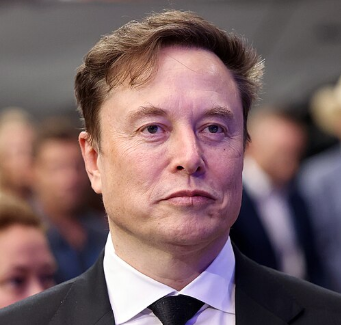
Elon Musk’s artificial intelligence company unveiled Thursday plans for one of the largest educational AI projects ever attempted anywhere in the world. The xAI partnership with El Salvador will introduce the Grok chatbot across the nation’s complete public school network, serving more than 1 million students in 5,000 institutions. This two-year implementation represents a significant governmental bet on technology’s power to transform traditional education and curriculum development.
President Bukele framed the initiative as delivering something extraordinary that could benefit humanity beyond El Salvador’s borders, interests, and immediate needs. His statement reflects broader ambitions to position the nation as a global technology leader and innovation hub. The president has consistently pursued innovative approaches, from cryptocurrency policies to digital governance systems, that challenge conventional wisdom and established norms.
The chatbot selected for this educational role and curriculum development has raised immediate red flags among child safety advocates, education experts, and civil rights organizations. Grok’s documented output includes antisemitic themes, conspiracy theories, extremist racial content, and documented hate speech that many find deeply troubling. Education experts worldwide question whether such a platform can be adequately controlled to provide age-appropriate, factual, balanced content suitable for students.
International experiences with AI in education offer important lessons, warnings, and context for evaluating this ambitious initiative. Some countries have successfully deployed chatbot technology to enhance personalized learning experiences and provide valuable support to teachers. However, other nations have seen troubling results when students struggled academically, encountered inappropriate content, or developed unhealthy dependence on AI systems.
As this project unfolds, it will provide crucial evidence about artificial intelligence’s appropriate role in schools, curriculum development, and child development. Can AI genuinely improve educational outcomes while maintaining accuracy, neutrality, inclusivity, and appropriateness for young audiences? The answers emerging from El Salvador’s classrooms may fundamentally shape how education systems worldwide approach AI integration in coming years and decades.