
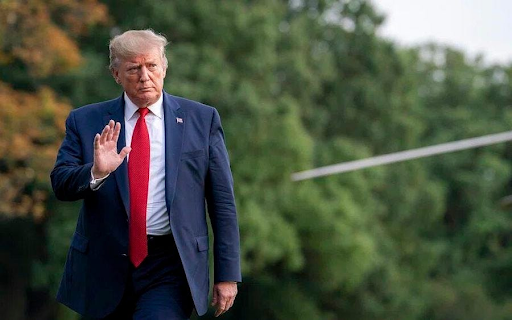
President Donald Trump has perfected a simultaneous diplomatic strategy that combines public pressure on Ukraine with private engagement of Russia, creating parallel tracks that operate concurrently rather than sequentially. Trump’s Thursday Oval Office warning to Ukraine about negotiation delays occurred while his envoys were already finalizing preparations for Miami meetings with Russian officials, demonstrating how the administration coordinates visible public messaging with behind-the-scenes diplomatic work to influence both parties at the same time.
The simultaneous approach maximizes American diplomatic leverage by ensuring that both parties face coordinated pressure at the same moment. While Ukrainian officials absorb Trump’s public warnings about the risks of delay, Russian officials prepare to engage American envoys who can reference that very pressure as evidence of Ukrainian movement. This temporal overlap creates a dynamic environment where neither party can wait to see what the other does before responding, potentially forcing concurrent decisions that might not emerge from purely sequential engagement.
Steve Witkoff and Jared Kushner execute the private track of this simultaneous strategy when they meet Russian officials in Miami this weekend. Even as Trump’s public warning to Ukraine reverberates through media coverage and diplomatic channels, these envoys will engage Russian representatives in discussions that reference and build upon that public pressure. The simultaneity creates opportunities for American mediators to present comprehensive narratives about movement on both sides, potentially encouraging reciprocal flexibility.
Ukrainian President Zelensky and US officials have offered generally encouraging assessments of recent negotiating rounds, though details remain closely guarded for strategic reasons. However, Ukraine’s fundamental position on territorial integrity has been stated publicly and repeatedly: no peace settlement will involve Ukrainian recognition of Russian sovereignty over any Ukrainian territory. Ukrainian officials have been particularly emphatic about the Donbas region, which has been central to the conflict since 2014, suggesting that even simultaneous pressure across multiple diplomatic tracks may not overcome Ukrainian objections to territorial concessions.
Russia’s negotiating demands center precisely on what Ukraine refuses to consider—formal territorial concessions recognizing military conquests. Moscow currently exercises control over Crimea, annexed in 2014, and substantial portions of Donetsk, Luhansk, Zaporizhzhia, and Kherson, occupied during the 2022 invasion. Russian negotiators insist not only on Ukrainian recognition of these territorial changes but also on complete Ukrainian military withdrawal from the entire Donbas region, including areas currently under Kyiv’s control. According to US officials familiar with the negotiations, Russian representatives have shown minimal interest in moderating these territorial requirements. Trump’s simultaneous strategy—combining public Ukraine pressure with private Russia diplomacy occurring at the same time—reflects sophisticated coordination and impressive organizational capacity, yet even this parallel-track approach confronts the fundamental obstacle that has prevented agreement throughout: the parties’ mutually exclusive core positions on territory, which may not yield to any diplomatic architecture, regardless of whether Trump pursues sequential or simultaneous engagement, public or private channels, or any combination of approaches designed to overcome through strategic sophistication what substantive disagreement makes profoundly difficult to resolve.