
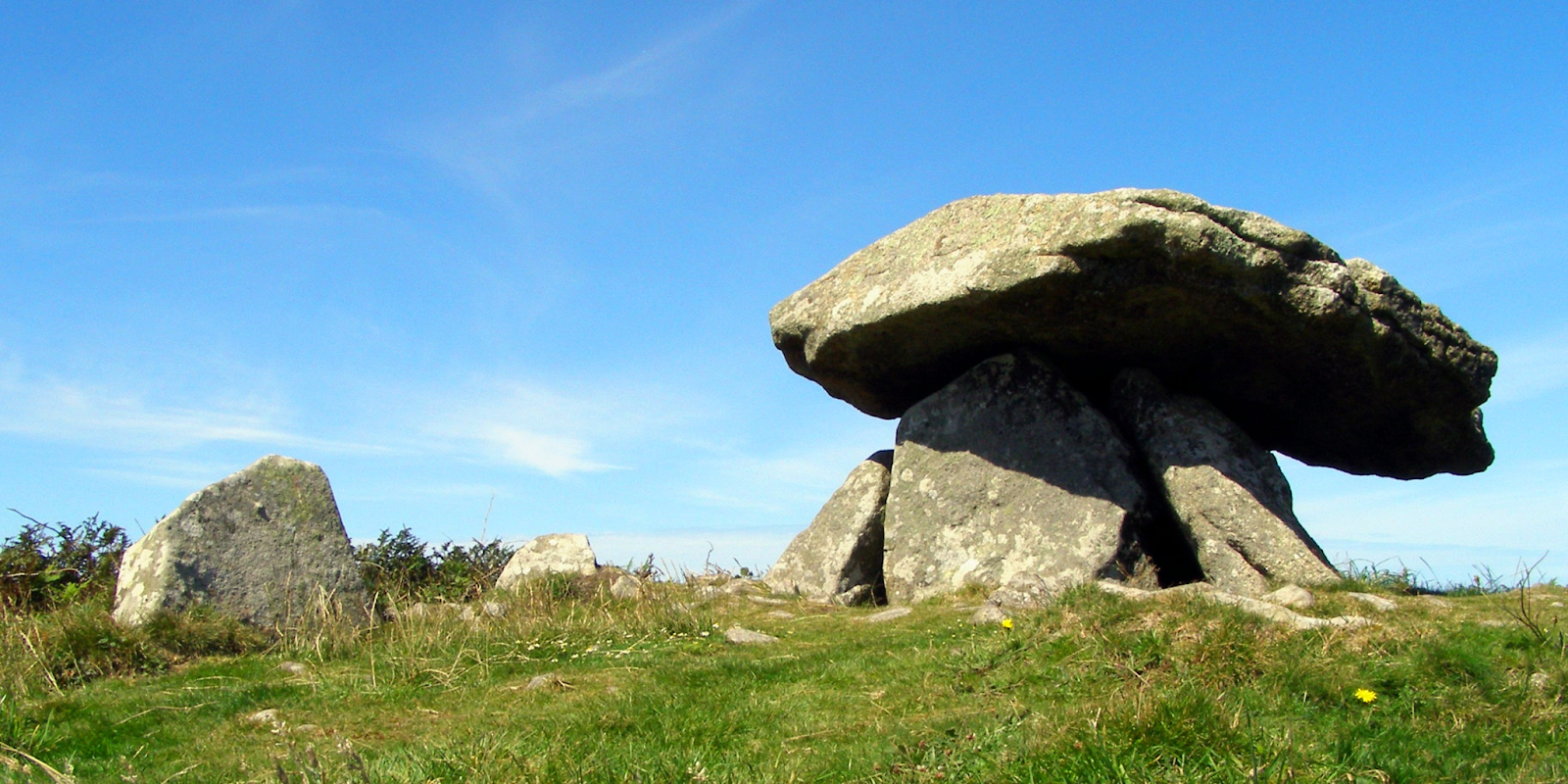
Contemporary archaeology increasingly recognizes the sophisticated astronomical knowledge possessed by Neolithic communities. Cornwall’s monuments provide exceptional evidence for this reassessment, with careful investigation revealing that prehistoric builders understood celestial mechanics with remarkable precision and incorporated this knowledge systematically into landscape design and monument construction.
Archaeoastronomy—the study of how ancient peoples understood and utilized astronomical phenomena—provides methodological frameworks for this investigation. Researchers like Carolyn Kennett employ survey techniques to measure monument alignments, calculate sight lines, and determine what astronomical phenomena would have been visible from specific locations during prehistoric periods.
Her research on the Land’s End peninsula reveals patterns that transform understanding of Neolithic capabilities. The coordinated orientation of multiple monuments toward winter solstice phenomena demonstrates not isolated achievements but systematic landscape-scale design. This suggests communities possessed organizational structures capable of maintaining astronomical knowledge across generations and coordinating construction projects according to shared cosmological frameworks.
Specific monuments demonstrate precision that challenges assumptions about prehistoric limitations. Chûn Quoit’s alignment ensuring observers see winter solstice sun setting precisely over Carn Kenidjack required detailed knowledge of solar movements and surveying capabilities for accurate positioning. The Kenidjack holed stones, if they functioned as countdown calendars, represent even more sophisticated applications of astronomical knowledge to practical timekeeping.
Modern research also reveals how astronomical knowledge integrated with other cultural domains. Monument alignments weren’t purely practical but embodied cosmological beliefs about cosmic order, death and renewal, and humanity’s relationships with celestial patterns. This integration suggests Neolithic worldviews that refused modern separations between science and religion, practical and symbolic.
Contemporary appreciation for prehistoric astronomical genius comes through multiple channels. Scholarly publications disseminate research findings. Guided walks allow public participation in witnessing alignments and learning about Neolithic knowledge. The Montol festival maintains traditions rooted in astronomical observations their prehistoric ancestors developed. This convergence of academic research, public education, and living cultural practice demonstrates how Cornwall continues honoring and exploring the remarkable achievements of ancient peoples who watched the skies and shaped their landscapes accordingly.