
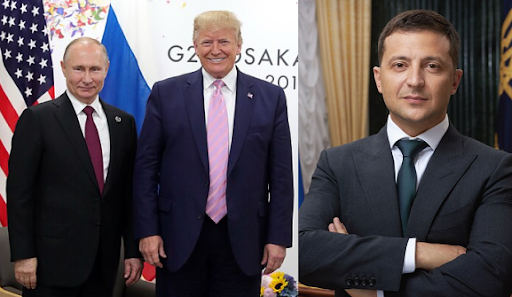
The world watches with anticipation as Russia, Ukraine, and the United States prepare for potentially transformative peace negotiations in Abu Dhabi on February 4-5. President Zelensky’s confirmation emphasizes pursuing a dignified resolution to the conflict.
Zelensky stressed Ukraine’s preparedness for meaningful dialogue that could produce tangible progress. His measured optimism acknowledges both the potential of these negotiations and formidable challenges that must be overcome to achieve a settlement respecting Ukraine’s sovereignty and territorial integrity.
The upcoming talks emerge from recent progress, including a temporary ceasefire facilitated by President Trump’s intervention. Trump’s conversation with Putin resulted in an agreement to pause military operations, with the Kremlin indicating this cessation should continue until February 1 to establish favorable conditions. This comes as Ukraine endures extreme winter weather with temperatures forecast to reach -20 degrees Celsius.
Both nations have demonstrated compliance with the temporary ceasefire agreement, particularly regarding energy infrastructure attacks. Zelensky confirmed that energy facilities throughout Ukraine remained untouched during the designated period, providing vital relief to civilians struggling with widespread blackouts. Ukraine has committed to continued restraint conditional on Russia’s compliance, demonstrating recognition that infrastructure protection supports diplomatic efforts.
However, substantial obstacles await negotiators, with territorial sovereignty presenting the most significant challenge. Russia’s insistence on controlling the Donbas region—comprising Donetsk and Luhansk—stands in direct opposition to Ukraine’s categorical refusal to cede territory. Russia currently occupies Crimea, annexed in 2014, and maintains partial control over Donetsk, Luhansk, Zaporizhzhia, and Kherson since its 2022 invasion, making territorial resolution the defining issue determining talks’ success.