
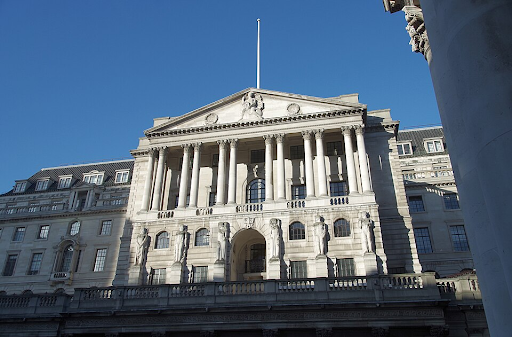
When the chips were down, the Bank of England blinked. Faced with a choice between fighting inflation and fighting recession, five members of the MPC chose to fight recession. The decision to cut rates to 3.75% was driven by the fear that the 0.1% GDP contraction in October was the start of a slide into a deep economic hole.
This marks a significant shift in priority. For two years, inflation was the only enemy. Now, the enemy is stagnation. The “doves” argued that high interest rates had done their job—perhaps too well—and it was time to ease off before they caused permanent damage to the UK’s industrial base.
The two external members, Swati Dhingra and Alan Taylor, led this charge. They convinced the Governor that the “upside risks” to inflation were fading, while the “downside risks” to growth were exploding. They viewed the weak consumer spending and cooling labor market as flashing warning lights.
The dissenters disagreed, arguing that you can’t fight a recession with inflation still at 3.2%. But they lost the vote. The Bank has effectively decided to tolerate a slightly higher inflation rate for a little longer in exchange for keeping the economy alive.
This gamble defines the next phase of policy. If growth returns in 2026, the doves will be heroes. If inflation spikes, they will be villains. But for now, the fear of the “R-word” (Recession) has proven stronger than the fear of the “I-word” (Inflation).