
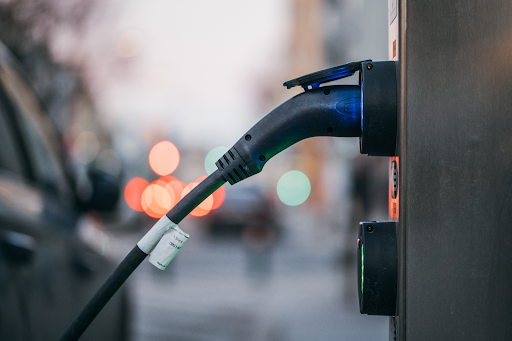
UK taxpayers are funding a record surge in electric car sales, with new government grants helping to push demand to an all-time high in September. The scheme, offering discounts of up to £3,750, has been credited with a nearly one-third increase in battery EV sales and a 56% jump in plug-in hybrids, raising questions about the cost, distribution, and ultimate beneficiaries of this public expenditure.
The subsidy was reinstated in July after a period of intense lobbying by auto manufacturers who claimed they needed support to meet the government’s zero-emission vehicle (ZEV) mandate. This mandate sets a target for 28% of sales to be electric this year, a goal the industry is currently missing, with a year-to-date share of 22.1%. The grant, therefore, serves as a direct intervention to bridge this gap, using public funds to align market performance with policy ambition.
However, an analysis of the grant reveals its highly targeted nature. Due to a price cap of £37,000 and specific rules on manufacturing emissions, the subsidy is only available for approximately one-quarter of the electric models on sale. This structure effectively funnels taxpayer money towards certain established brands like Renault and Vauxhall, while excluding many new, often more affordable, models from Chinese manufacturers.
This policy has also drawn criticism from environmental watchdogs. In a bid to further aid carmakers, the government softened the ZEV mandate with more generous “flexibilities” in April. The Climate Change Committee warned this move would likely result in higher net carbon emissions, suggesting that taxpayers are subsidizing EV sales while the broader policy framework for emissions reduction has been weakened.
With a thinktank suggesting the grant for the first 400,000 buyers might be claimed sooner than expected, the scheme’s longevity is in doubt. This raises a crucial question for the future: is this a sustainable, market-led transition, or a temporary boom financed by the public purse that primarily benefits a select group of manufacturers while wider climate goals are compromised?