
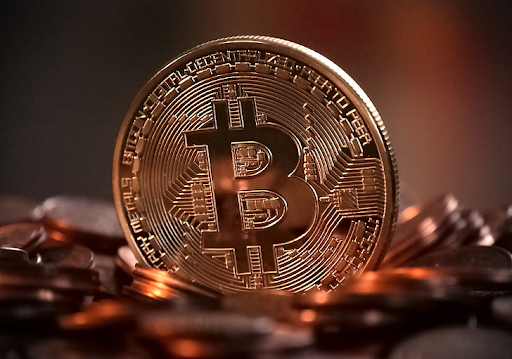
The cryptocurrency market is currently enduring one of its most brutal corrections in recent history, shedding a staggering $1 trillion in capitalization. This wipeout, occurring over a mere six weeks, has devastated portfolios and shaken confidence in the digital asset class. At the forefront of this collapse is Bitcoin, which has seen its value eroded by 27%. Trading at approximately $91,212, the world’s premier cryptocurrency has retreated to levels not seen since April, underscoring the severity of the current bearish trend.
This 25% market-wide decline, affecting a vast array of over 18,500 coins, is being described by analysts as a “perfect storm” of negative macroeconomic factors. The primary culprit appears to be the shifting expectations regarding US Federal Reserve policy. As hopes for an interest rate cut fade, the cost of borrowing remains high, draining the liquidity that speculative assets like crypto rely on to thrive. Without the prospect of “easy money,” investors are rapidly exiting positions to preserve capital.
The panic is not contained within the crypto exchanges; it is spilling over into equity markets with punishing force. Major indices such as the Nasdaq and S&P 500 are retreating, mirroring the losses seen in the UK’s FTSE 100, which has fallen 1.3% in four days. This correlation suggests that crypto is no longer an isolated asset class but part of a broader basket of “risk assets” that are all being dumped simultaneously as fear takes hold of the global investment community.
A significant source of this market anxiety stems from the booming Artificial Intelligence sector, which many fear has entered bubble territory. Tech leaders are beginning to voice concerns that valuations have detached from reality. Alphabet CEO Sundar Pichai’s recent admission of “irrationality” in the AI market has served as a wake-up call. His warning that no company would be immune to a correction has added a layer of dread to an already fragile market, suggesting that the tech-heavy portfolios of many investors are at risk.
Even the defensive plays are failing to hold up under the pressure. Gold, usually the go-to asset during times of volatility, has dropped to $4,033 an ounce. The persistent high interest rates have dampened the appeal of holding physical metal. Despite this, some market watchers, including strategists at UBS, remain optimistic about gold’s long-term prospects. They argue that as central banks continue to diversify their reserves, gold will eventually find a floor and recover, even as crypto and equities struggle to find their footing.