
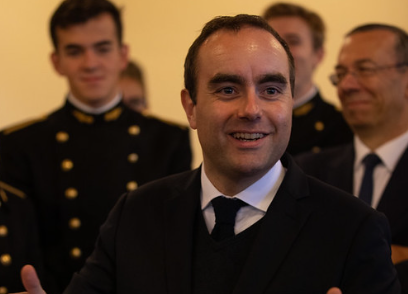
France’s Prime Minister Sébastien Lecornu is facing growing political pressure as debates over a proposed wealth tax threaten to deepen divisions in parliament. Lawmakers postponed discussions on the controversial measure until next week amid a looming year-end deadline to pass the national budget and curb the country’s rising deficit.
The proposed “Zucman tax,” inspired by economist Gabriel Zucman, aims to impose a 2% minimum levy on individuals with assets exceeding €100 million — expected to generate around €20 billion annually. The left-wing parties are pushing for this tax as a condition for continued support of Lecornu’s government, while conservatives and the far right oppose taxing professional assets.
In an attempt to reach a compromise, the Socialists have suggested a 3% tax on assets above €10 million, excluding family and innovative businesses. However, Budget Minister Amelie de Montchalin rejected the plan, arguing it would penalize entrepreneurs and weaken the nation’s production capacity.
France’s fragile political balance has left Lecornu, the country’s third prime minister in just over a year, under intense scrutiny. Having survived a confidence vote earlier this month, his ability to unite parliament around a fiscal plan without triggering another government collapse remains uncertain.