
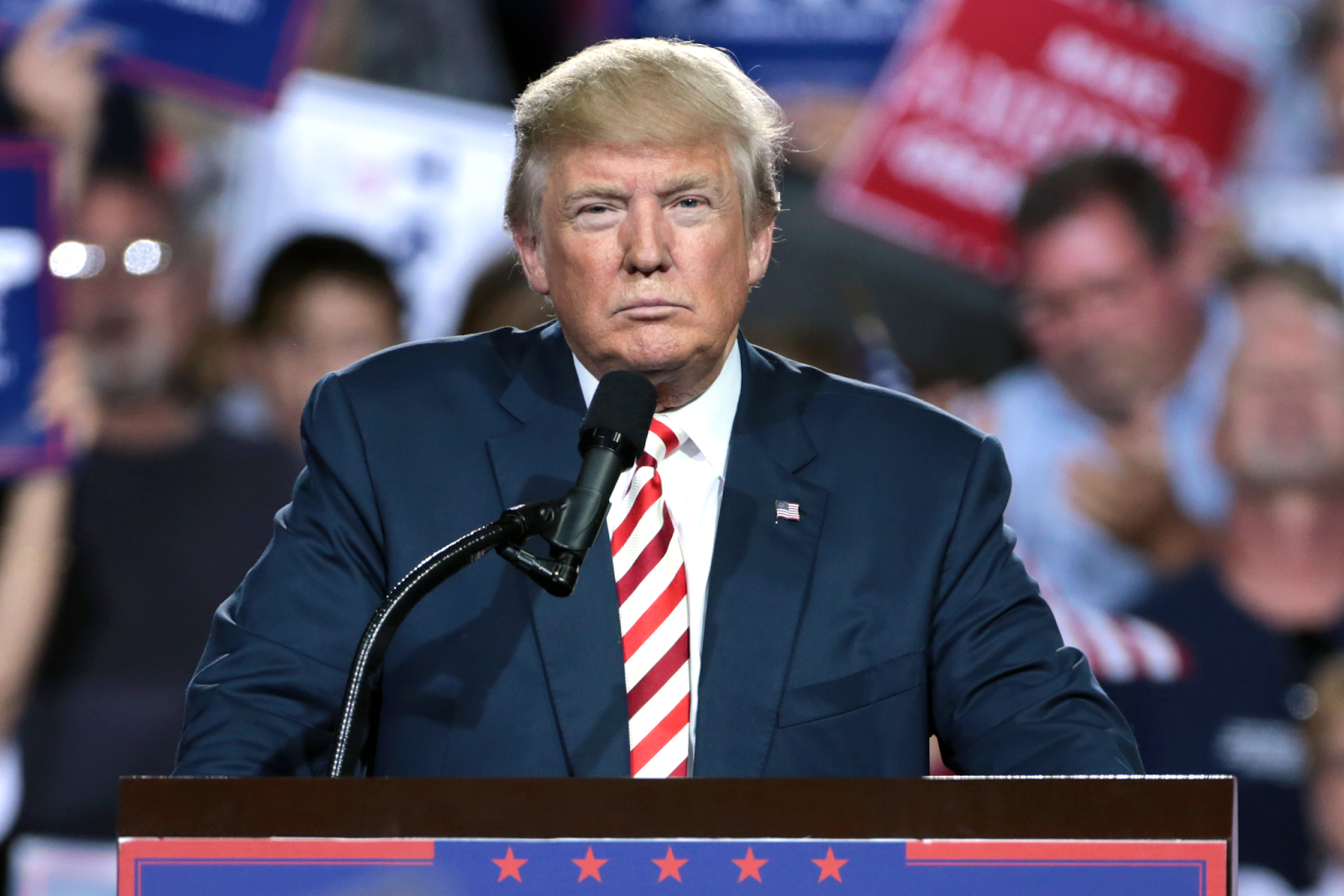
President Donald Trump has announced a 25% reciprocal tariff on Indian goods, a policy that will become active on August 1. This move is accompanied by an unspecified penalty on Russian purchases. According to Trump, the new tariff on India is a necessary response to the country’s “among the highest in the World” tariffs and its “most strenuous and obnoxious non-monetary Trade Barriers.” He believes these measures have limited US business in India, and the new tariffs are a way to achieve what he calls a more balanced trade relationship.
In a public statement on Truth Social, Trump linked his tariff policy to a broader narrative of American renewal. He declared that tariffs were making “America great and rich again,” and that the country had successfully countered a long history of tariffs being used against it. Trump’s post painted a vibrant picture of an economy revitalized by his trade policies, claiming that the US had gone from a “dead country” to the “hottest” in the world. This strong rhetoric is aimed at framing the tariffs as a key part of his successful economic strategy.
The Indian government, through the Ministry of Commerce and Industry, has responded with a statement that is both measured and non-committal. The ministry said it is “studying its implications” and that it remains committed to its ongoing negotiations with the US for a “fair, balanced, and mutually beneficial bilateral trade agreement.” This cautious approach suggests that India is seeking to understand the full economic impact of the tariffs before making a public statement on its next steps.
The statement also underscored the government’s commitment to “protecting and promoting the welfare of our farmers, entrepreneurs, and MSMEs.” This emphasis on domestic interests indicates that any future actions by India will be geared toward safeguarding its national economy. The implementation of the tariffs on August 1 will mark a new and potentially challenging phase in US-India trade relations.