
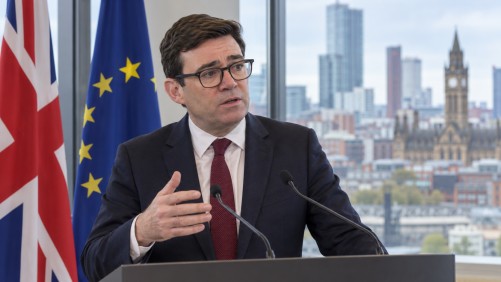
UK Prime Minister Andy Burnham is set to advocate for a closer relationship with the European Union, emphasizing the economic ramifications of Brexit. In a forthcoming address to the House of Commons, Burnham will argue that failing to secure a better agreement with the EU would constitute a significant oversight, potentially hampering economic growth and trade, and complicating efforts to manage illegal immigration.
Burnham’s call comes ahead of the UK-EU summit, where he is expected to urge for a pragmatic reassessment of Britain’s ties with the EU. He intends to highlight the limitations of current arrangements, suggesting that without improvements, business opportunities might be restricted, and the UK’s economic outlook could weaken.
The government is pushing for progress in reducing post-Brexit trade barriers, focusing on administrative requirements impacting food and agricultural imports and exports. Enhanced cooperation on migration is also anticipated to be a key topic of discussion. Businesses have been burdened with additional paperwork and costs due to border checks, and advocates of closer EU ties believe that reducing these hurdles could enhance trade and provide greater certainty for companies operating across European markets.
Burnham’s position has reignited political disagreements over Britain’s future with the EU. Some senior Conservative figures oppose Labour’s initiatives to strengthen EU ties, including proposals to ease barriers on agricultural trade. Within Labour, some MPs from constituencies that voted for Brexit express concern that revisiting the debate could exacerbate political divisions, while others remain cautious about steps towards EU membership or closer economic integration.
At Labour’s recent conference in Liverpool, Burnham contended that Brexit had been more detrimental than beneficial, urging the government to reevaluate the UK’s long-term relationship with Europe. His latest intervention is poised to focus on practical cooperation improvements rather than reopening the referendum debate.
The government’s approach in these discussions could influence future negotiations with Brussels, as the UK considers the potential economic benefits of closer cooperation against the backdrop of domestic political concerns. Meanwhile, public interest in the issue remains high, with over 111,000 signatures on a petition calling for the UK to rejoin the EU, prompting a parliamentary debate.