
The United Kingdom’s ambitious strategy to phase out petrol cars has hit a significant roadblock after the government caved to pressure from leading automakers. A coordinated lobbying effort, revealed in private documents, successfully argued for a slowdown in the mandated shift to electric vehicles.
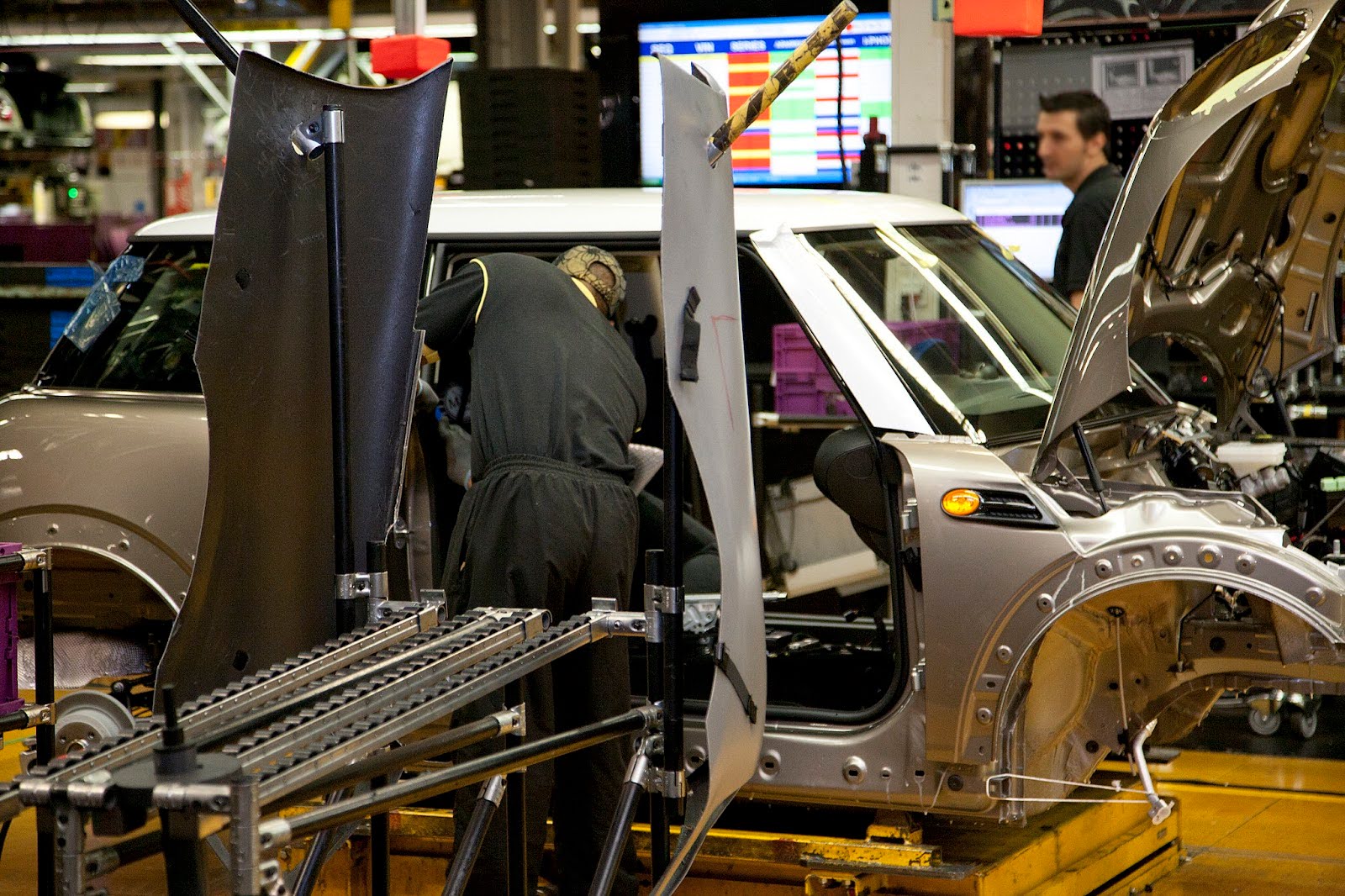
Manufacturers including Toyota and JLR contended that the original Zero Emission Vehicle (ZEV) mandate was forcing them to cut EV prices to unsustainable levels due to overestimated demand. They warned this would harm investment in UK production lines and could endanger employment across their British factories.
A key argument from Jaguar Land Rover highlighted a perceived flaw in the rules, stating that a credit-trading system meant British-based companies were effectively subsidising the growth of their international rivals, especially those based in China, the world leader in EV manufacturing. This nationalistic appeal added weight to their economic warnings.
The government’s decision to relax the rules has been portrayed by the industry as a necessary correction. However, climate advisers had warned that such changes could lead to an increase in the UK’s carbon emissions. Campaigners now fear that this concession has set a dangerous precedent, prioritising industry profits over urgent environmental goals.