
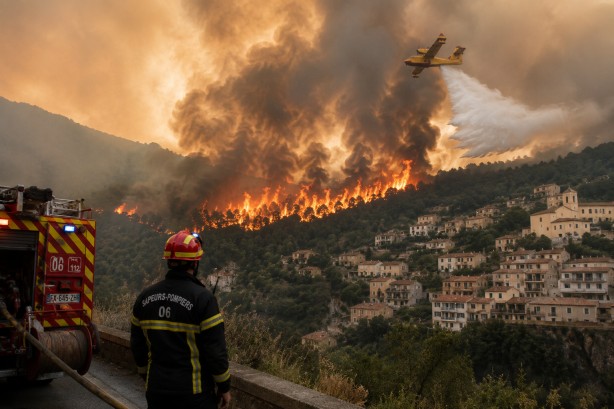
Wildfires are ravaging several European countries, with Greece, France, Spain, and the United Kingdom experiencing significant outbreaks that have led to evacuations and heightened worries about climate-induced security risks. In Greece, severe fires have erupted on the island of Crete, while drought conditions have been declared in parts of England amid enduring high temperatures.
European authorities are raising alarms about how climate change is exacerbating the frequency and intensity of wildfires, posing threats to public safety, food supplies, and essential infrastructure. In response, the UK, France, and other nations are committing to enhanced collaboration aimed at bolstering wildfire prevention strategies, improving emergency responses, and increasing climate resilience measures.
The persistent heatwaves this year have also been deadly, contributing to thousands of heat-related fatalities across Europe. This troubling trend underscores the escalating impact of extreme weather conditions and emphasizes the urgent need for more robust climate adaptation strategies.
These developments highlight the ongoing struggle Europe faces as it grapples with the realities of a changing climate. The fires and heatwaves are stark reminders of the vulnerabilities that nations must address through cooperative efforts and policy reforms focused on sustainability and resilience.
As Europe continues to battle these environmental challenges, the commitment to stronger preventive measures and international cooperation is seen as critical in mitigating the risks posed by an increasingly volatile climate. The urgency of these actions is evident in the immediate and long-term efforts required to protect communities and infrastructure from the mounting threats.