
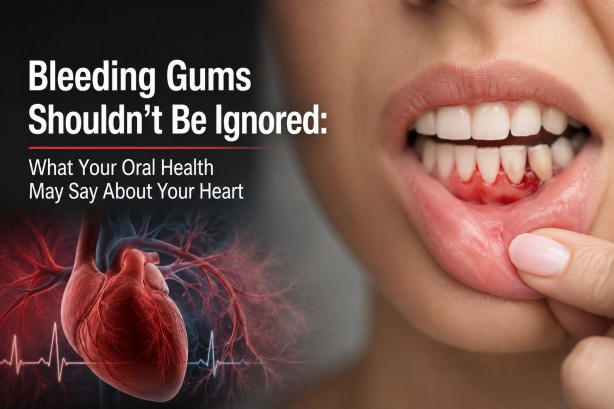
Frequent bleeding gums should not be dismissed as a minor dental issue, as they can signal gum inflammation that warrants attention. Oral health is intricately linked to overall health, with growing research highlighting the connection between gum disease and cardiovascular conditions. Gum disease arises when bacteria and plaque cause inflammation in the tissues around the teeth. If this condition persists, it can impact more than just the mouth.
Studies have shown a correlation between periodontal disease and several cardiovascular conditions, such as heart disease, heart failure, and irregular heart rhythms. However, it is important to note that gum disease does not directly cause heart attacks or other cardiovascular events. Instead, both conditions may share common biological pathways, particularly chronic inflammation and specific risk factors.
Bacteria from the mouth can enter the bloodstream when gums are inflamed or damaged, and oral bacteria have been found in arterial plaque, sparking interest in the link between oral and cardiovascular health. Chronic inflammation is another potential connection, as long-term inflammation can impact blood vessels and is associated with the development and progression of cardiovascular disease. Therefore, persistent gum problems should not be seen merely as a cosmetic issue.
Healthy gums generally should not bleed regularly during brushing or flossing. While occasional bleeding may occur, especially when someone starts flossing or brushes too hard, repeated bleeding may indicate plaque buildup or gum disease. Other symptoms of gum problems include swollen or tender gums, persistent bad breath, gum recession, and loose teeth. Ignoring these signs can permit gum inflammation to progress, potentially leading to more severe dental issues.
Maintaining good oral hygiene is a straightforward way to protect your teeth and gums. Brushing twice daily with a soft-bristled toothbrush and fluoride toothpaste, flossing daily to remove plaque and food particles, and scheduling regular dental checkups can help detect gum inflammation and other oral health problems before they worsen. While good oral hygiene is a critical component of preventive healthcare, it should complement other measures that protect cardiovascular health, such as maintaining healthy blood pressure and cholesterol levels, staying physically active, eating a balanced diet, and avoiding smoking. If you experience frequent gum bleeding or notice persistent swelling, pain, or other changes in your mouth, it is advisable to consult a dental professional.